Two thoughtful days · October 29–30, 2026
The program
Hear from scholars, legal-system actors, practitioners, and people with lived experience. Then stay in the room for facilitated discussion and practical next steps.
Approved by The Florida Bar for 9 general CLE credits.
Day One
Thursday, October 29, 2026
MLAC 106 · UF Levin College of Law
Concurrent sessions are listed by room. Choose one session in each time block.
| 8:30 a.m. | Check-In & Breakfast |
|---|---|
| 9:30 a.m. | Welcome & Opening Remarks |
| 9:45 a.m. | Room 1 Academic and Thought LeadershipSpeakers: Professor Thalia González; Amy Dallas. Exploring the intersections of restorative justice, state systems, and legal practice. Room 2 What is Restorative Justice?Speaker: Travis Claybrooks. |
| 11:00 a.m. | Break |
| 11:15 a.m. | Room 1 Filling the Void in Victim RightsSpeaker: Professor Lynn Branham. Meeting victim-survivors’ needs through a legal right of access to restorative justice. Room 2 What is Restorative Justice?Speaker: Travis Claybrooks. A repeat of the 9:45 a.m. session. Room 3 Unresolved Cases: Examining the Evidence WithinSpeakers: Tolliny Rankins; Rodney Rankins. An interactive restorative workshop on life experiences, accountability, and growth. |
| 12:30 p.m. | Lunch & Connection |
| 1:30 p.m. | Facilitated Discussion & Day One Wrap-Up Facilitator: Aaron Williamson. |
| 2:30 p.m. | Break |
| 2:45 p.m. | Short Film Screening with Leigh Scott & Julius Irving Join Leigh Scott and Julius Irving for a screening of their short films, featured by Represent Justice. Uncarcerated by Leigh Scott |
Day Two
Friday, October 30, 2026
MLAC 106 · UF Levin College of Law
Concurrent sessions are listed by room. Choose one session in each time block.
| 8:30 a.m. | Breakfast & Connection Poem presentation: Joshua “Josh” Wilkinson presents Poem of Forgiveness. |
|---|---|
| 9:00 a.m. | Room 1 · Community Spring Beyond the CircleSpeakers: Chris Perry; Julius Irving; Kelly Lynch; Kevin Scott; Max Tipping. Putting restorative principles into practice through economic justice, community leadership, and policy change. Room 2 · Working title Developing and Building Diversion ProgramsSpeakers: Professor Jonathan Scharrer; Kellsie Sayers. Building sustainable restorative justice diversion programs through institutional and community partnerships. Room 3 Community-Based Restorative PracticesSpeakers: Janelle Edens; Arielle McNair; Julya Denholm DeMaria; Dazz Grady Johnson; Raqiya Whitley; Professor Sarah H. Wolking. Creating space for healing to advance the reach of restorative justice. |
| 10:15 a.m. | Break |
| 10:30 a.m. | Directly Impacted Voices: What Restorative Justice Felt Like Speakers: Gretchen Casey; William Miller; Julie and Michael McBride; Andy Grosmaire. Lived experiences of trauma, accountability, healing, punishment, and repair. |
| 11:45 a.m. | Lunch & Learn: State Attorneys Melissa Nelson and Brian Kramer |
| 1:00 p.m. | Closing Conversation: Where Do We Go From Here? Facilitator: Aaron Williamson. Speakers and attendees reflect on practical next steps for restorative justice in legal systems and communities. |
| 2:15 p.m. | Closing Remarks |
| 2:30 p.m. | Conference Concludes |
Times, rooms, session titles, and speaker assignments may change as planning continues.
Current speaker roster
People shaping the conversation.
Across scholarship, legal practice, community leadership, facilitation, and lived experience.
-
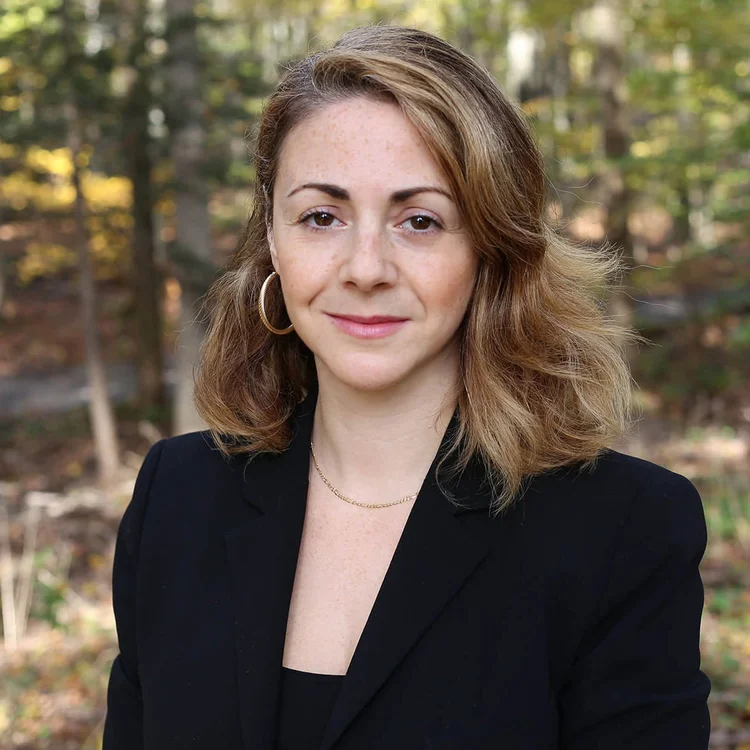
Amy Dallas
Program Director
CUNY Institute for State & Local Governance
Amy Dallas is a Program Director at the CUNY Institute for State & Local Governance, managing training and technical assistance portfolios centered on restorative justice, with a broader focus on engagement across justice and health systems, clinical and community-based care, and best practices for public health and safety outcomes. She also drives strategic planning and development, working closely with governmental, policy, research, nonprofit, and community partners in New York and nationally.
Amy began her career as a public defender at the Legal Aid Society in Brooklyn, spending a decade advocating for people navigating entanglement with the legal system. At the Vera Institute of Justice, she worked with elected prosecutors and community-based organizations to implement more equitable, data-driven policies and restorative justice diversion programs. She designed and led the Collaborative Justice Network, a national learning community for justice reform partners including restorative justice leaders. She serves as Treasurer of National Association of Community and Restorative Justice, advises nonprofits on reentry and restorative practice, and writes on RJ, justice reform, and trauma-responsive and restorative advocacy for system professionals.
Amy holds a J.D. from Fordham Law and a B.S. in Criminology from Eastern Michigan University.
Amy is the author of In Right Relationship: Practicing and Teaching Trauma-Responsive Restorative Advocacy. -
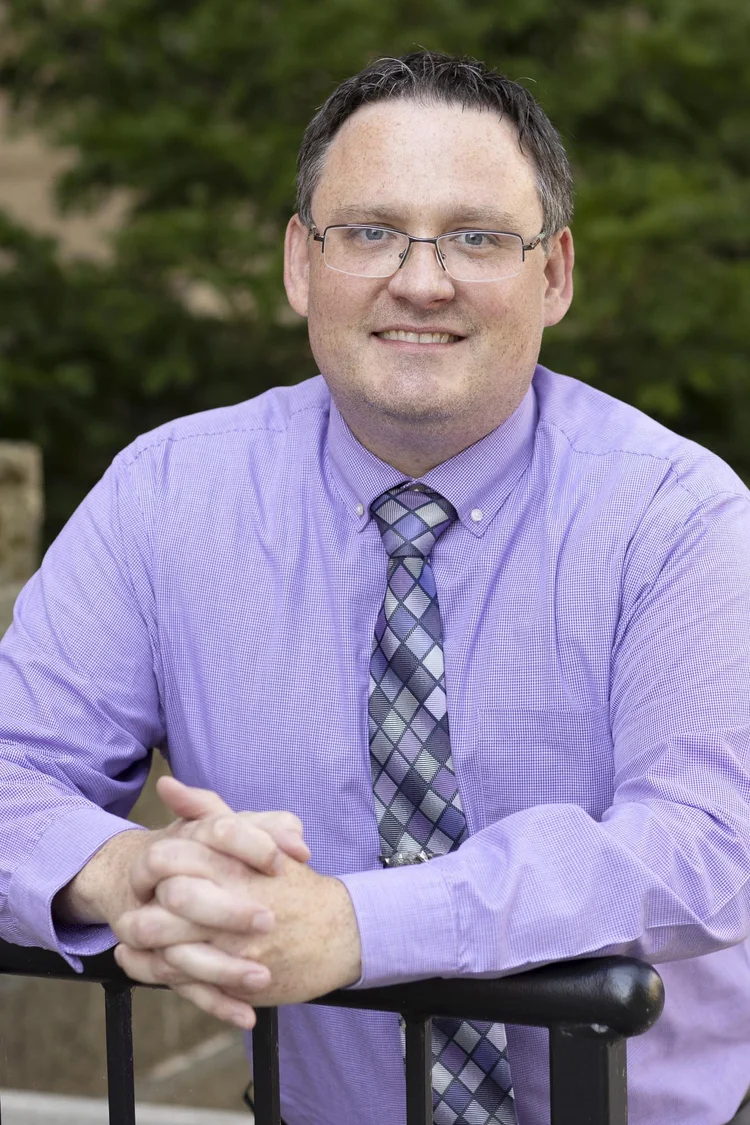
Jonathan Scharrer
Clinical Professor & Director, Restorative Justice Project
University of Wisconsin Law School
Professor Jonathan Scharrer is the Director of the Restorative Justice Project at the University of Wisconsin Law School's Frank J. Remington Center. He has extensive experience as a facilitator of victim-offender dialogues in sensitive and violent crimes and as a trainer in a variety of restorative justice (RJ) practices. His work has been featured on both 60 Minutes and CNN's The Redemption Project. Jonathan is also active in examining criminal legal policy and has assisted with drafting proposed RJ legislation and the design and implementation of multiple RJ diversion programs.
Professor Scharrer has a J.D. from Marquette Law School, a Graduate Certificate in Dispute Resolution from Marquette University Graduate School, and a B.S. from The University of Wisconsin at Madison. -
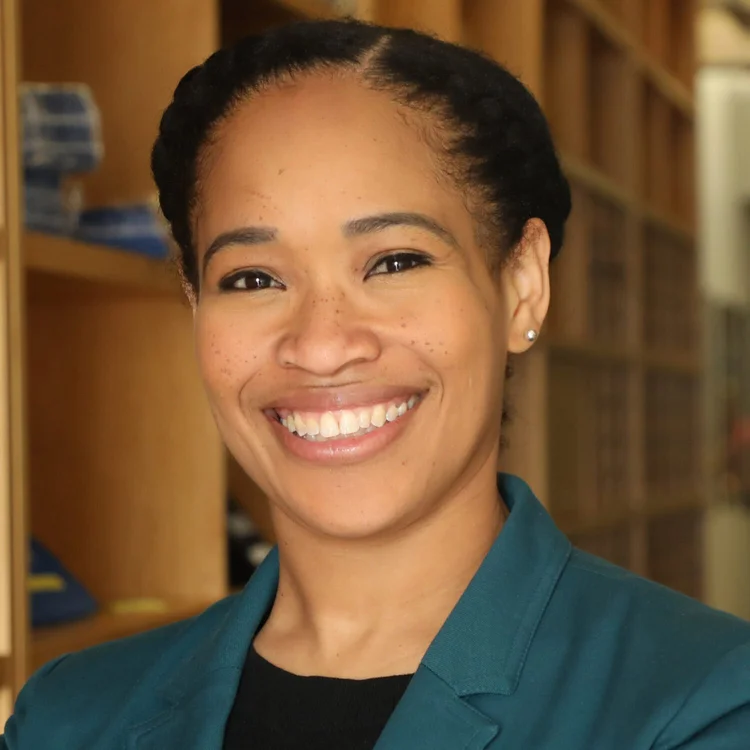
Kellsie Sayers, Esq., LMSW
Senior Director, Restorative Practices
Center for Justice Innovation
Ms. Kellsie Sayers is the Senior Director of Restorative Practices at the Center for Justice Innovation, overseeing the Center's restorative practice initiatives across a broad range of demonstration projects. Ms. Sayers’s work promotes individual, family, and community healing, advances systemic change, and creates non-traditional pathways to justice by bringing the restorative process to communities, schools, and individuals in the court system.
Prior to joining the Center, Ms. Sayers worked as a public defender for the Legal Aid Society Criminal Defense Practice, providing legal representation to indigent clients in misdemeanor and felony cases. In 2023, Ms. Sayers received the Leslie Abbey Access to Justice Award for her exceptional work expanding access to justice across New York State.
Ms. Sayers is a graduate of Howard University with a B.A. in Political Science and a B.A. in Afro-American Studies. She received her J.D. from the New York University School of Law and her Master of Social Work from the New York University Silver School of Social Work. -
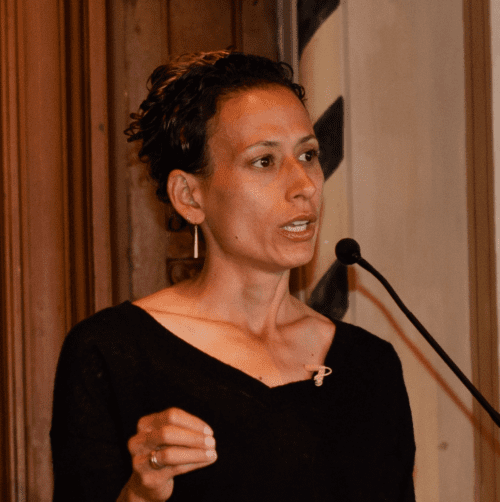
Thalia González
Professor of Law & James Edgar Hervey '50 Chair of Litigation; Faculty Co-Director, Center for Racial and Economic Justice
UC Law San Francisco
Professor Thalia González is a nationally recognized scholar whose research in restorative justice, education law, health justice, juvenile justice, critical race theory, and adultification bias has been published in leading academic journals including Boston College Law Review, American University Law Review, Wisconsin Law Review, Utah Law Review, Journal of Criminal Law and Criminology, Fordham Urban Law Journal, Stanford Law Review Online, UCLA Law Review Discourse, Georgetown Journal of Law and Modern Critical Race Theory Perspectives, N.Y.U. Review of Law & Social Change, Journal of Law, Medicine and Ethics, Contemporary Justice Review, and Conflict Resolution Quarterly. Additionally, her applied research has appeared in The Washington Post, The Atlantic, The New York Times, and NPR. In recognition of her significant contributions to the field of restorative justice, Professor González received the National Association of Community and Restorative Justice Research Award in 2022.
Presently, Professor González serves as Co-Chair, ABA Criminal Justice Section, Diversion & Restorative Justice Committee, Vice Chair, Board of Directors, Public Health Advocates, and Chair, Board of Directors, National Association of Community and Restorative Justice. Professor González has a J.D. from Northwestern University Pritzker School of Law. -
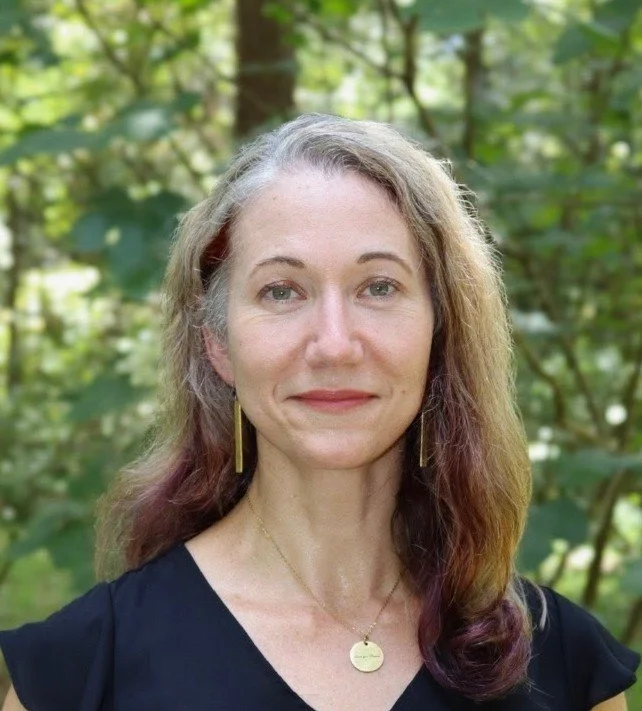
Julya Denholm DeMaria
Program Coordinator
Community Connections, Tallahassee
She coordinates community-based programming focused on connection, youth development, and restorative approaches, bringing an implementation perspective grounded in relationship-building and program sustainability.
-
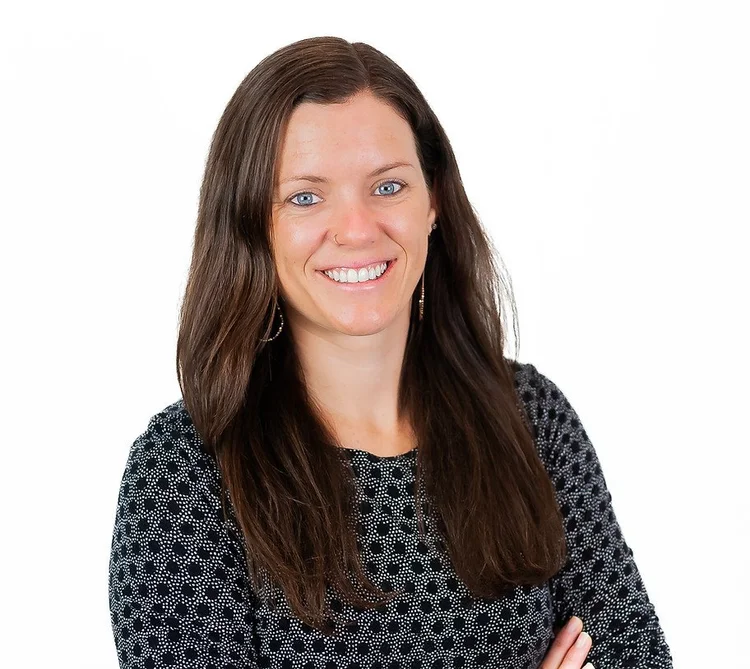
Janelle Edens
Executive Director
Connection First
A restorative-practices leader with experience in schools, juvenile justice, and statewide child-welfare systems, whose work shows the relevance of restorative approaches across institutions, families, and communities.
-
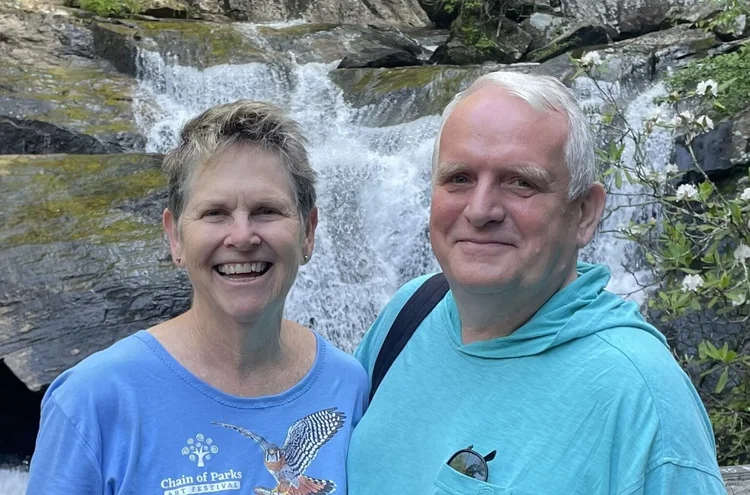
Julie and Michael McBride
Family Members Directly Impacted by Serious Harm
Lived Experience
Ms. Julie McBride has been teaching the joys of art to the children of the Tallahassee community as an Elementary Art Instructor for a number of years. Mr. Michael McBride is a recently retired Senior Database Administrator from the Florida Department of Transportation.
In March of 2010, their lives changed when their 19-year-old son, Conor, took the life of his fiancée. Abruptly immersed in the judicial system, they witnessed the benefit of Restorative Justice in their son's case. As the story of this tragedy gained exposure, they provide a unique perspective as the parents of the person who did the harm. -
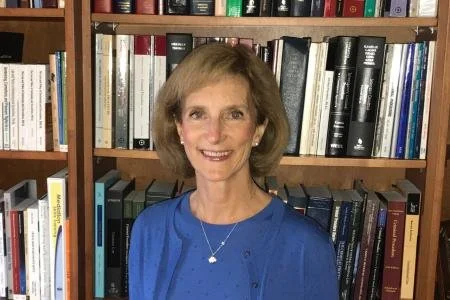
Lynn Branham
Visiting Professor of Law
Florida State University College of Law
Professor Branham’s expertise centers on restorative justice as well as sentencing and correctional law and policy. In addition to her casebook on sentencing law and policy, her current research has focused on the integration of restorative justice into criminal-justice systems and communities’ responses to crime. Most recently, her scholarship has explored and challenged the systemic failure to understand and meet the full breadth of victim-survivors’ needs, calling for the law to grant victim-survivors a new legal right – a right of access to restorative-justice processes.
Professor Branham has held multiple leadership positions in the American Bar Association’s (ABA’s) Criminal Justice Section and served on the Commission on Accreditation for Corrections for sixteen years, fourteen as the ABA’s representative. She received her J.D. from the University of Chicago Law School and Master of Science in Restorative Practices from the International Institute for Restorative Practices Graduate School. -
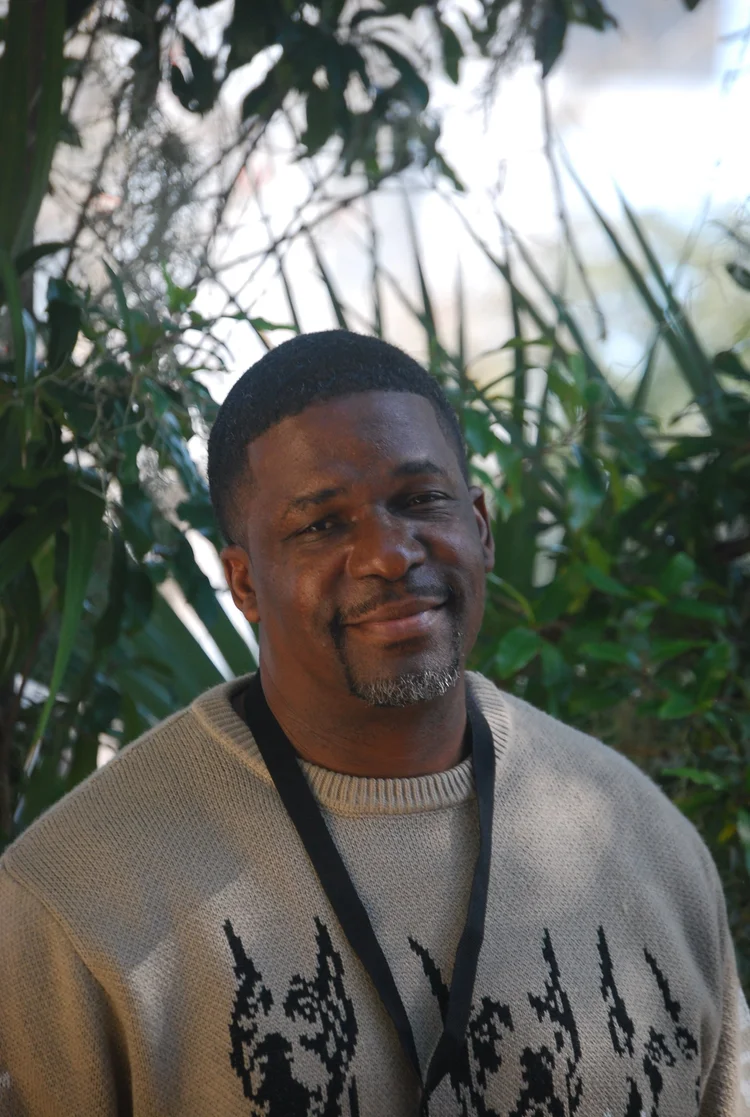
Chris Perry
Fellow
Community Spring
A mentor and advocate at the Alachua County juvenile courthouse, writer, and speaker who serves in Gainesville's Violence Interrupters Program and works on policy change around commissary costs.
-
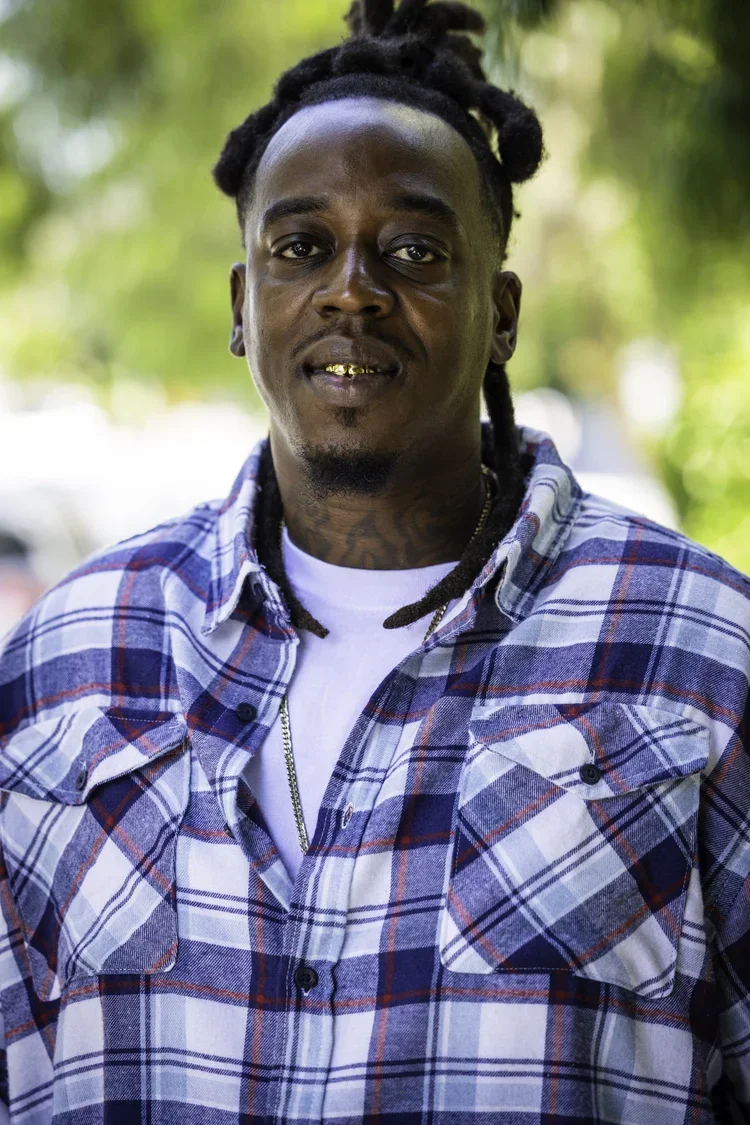
Julius Irving
Community Engagement Coordinator
Community Spring
Julius Irving, activist and community leader from Gainesville, builds movements for equity, and empowers Black men through advocacy, creativity, and healing.
-
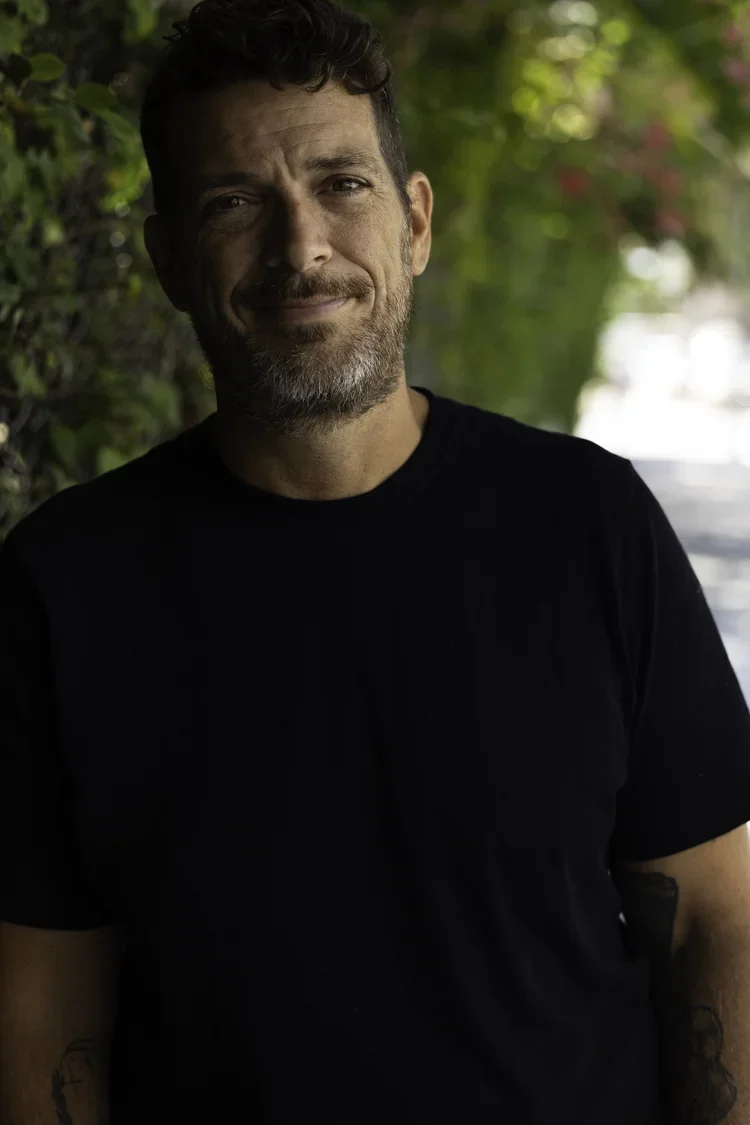
Leigh Scott
Co-Founder & Justice-Impacted Leader
Released Reentry · Justice Impacted Collaborative
Leigh Scott, justice-impacted leader from Gainesville, co-founded Released Reentry and the Justice Impacted Collaborative, using lived experience to drive reform, equity, and lasting change.
-
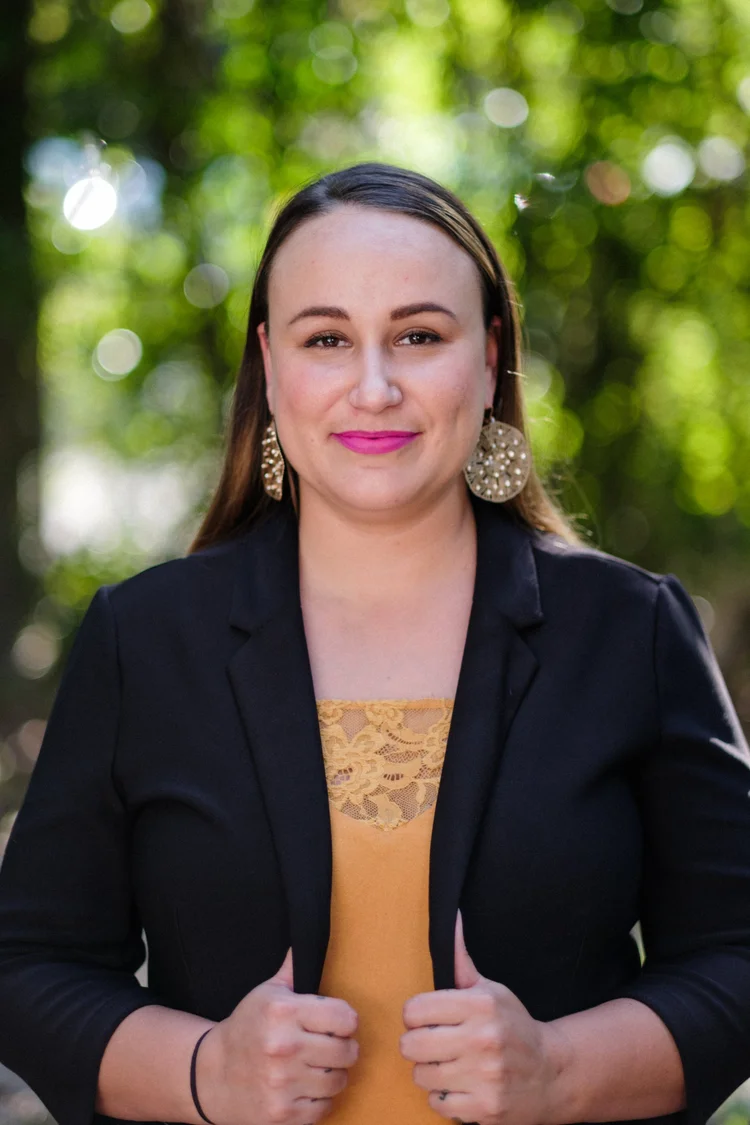
Kelly Lynch
Operations Coordinator
Community Spring
A policy advocate and formerly incarcerated leader in long-term recovery who leads Community Spring's Systems Change Fellowship, building leadership and power among directly impacted people to spearhead policy change in Gainesville.
-
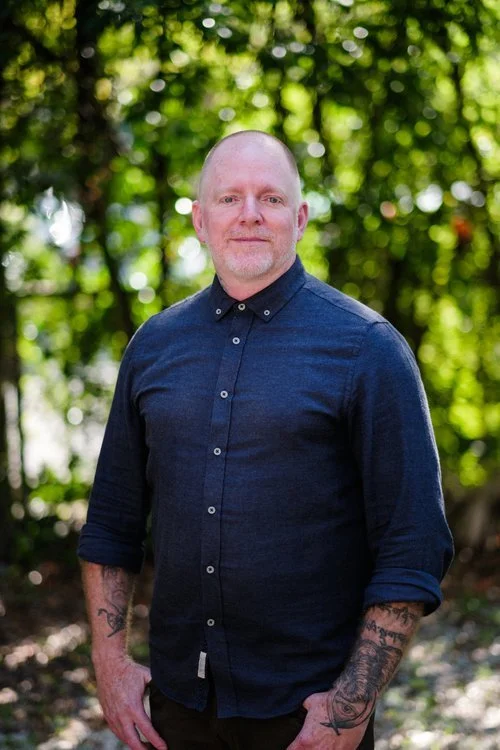
Kevin Scott
Director of Guaranteed Income
Community Spring
A longtime Gainesville organizer who leads Just Income, a guaranteed-income program created by and for formerly incarcerated people that has served more than 150 participants and distributed more than $1 million.
-
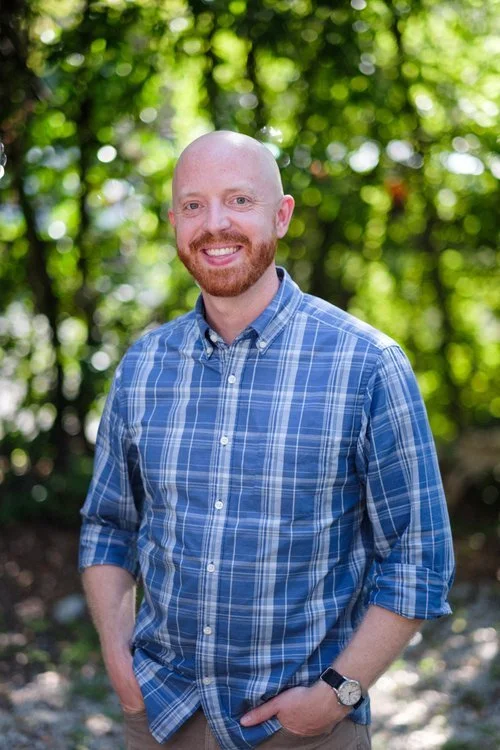
Max Tipping, Esq.
Policy Director & Co-Founder
Community Spring
A public-interest attorney and social entrepreneur who works alongside formerly incarcerated people on fines and fees, employment barriers, housing access, strategic planning, and evaluation.
-
Gretchen Casey
Former Board President, Florida Restorative Justice Association
Member, Florida Crisis Response Team
Ever since Ms. Gretchen Casey was first introduced to victim-offender dialogues in 1990, she has been studying and learning about restorative approaches. Since 2017, she has facilitated dialogues and provided training on implementing restorative justice approaches in 140+ criminal cases involving serious crime. For over 34 years, Gretchen has been an advocate, counselor, and crisis responder for families and individuals who've experienced harm. From 1999–2012, Gretchen was also the Director of Project Payback, a juvenile offender restitution program housed in the State Attorney's Office, 8th Judicial Circuit. Gretchen is also the creator of Amend Initiative and the Facebook platform page Unshame, which posts supportive messages for survivors of sexual assault. For eight years, she was the Director of Victim Services for six counties at the State Attorney's Office in Gainesville, FL. She believes that our lives and the work we create are defined by what we pay attention to, and that people and ideals are often in conflict. She is the past Board President of the Florida Restorative Justice Association, a member of the Florida Crisis Response Team, and has studied Morita therapy and trained with Dr. Brian Ogawa for the past 30 years.
Ms. Casey is a graduate of the University of Florida, and on weekends, she is an avid gardener and glass artist. -

Travis Claybrooks
Founder and CEO
Raphah Institute
Mr. Travis Claybrooks is the Founder and CEO of Raphah Institute, a nonprofit organization advancing community safety. Travis grounds his leadership in Raphah's values of compassionate healing, empowerment, and innovative collaboration. He is passionate about building a future where safety is measured not by incarceration, but by opportunity, dignity, and thriving. Under Travis's leadership, Raphah has become a nationally recognized restorative justice practitioner, implementing Accountability and Repair Conferencing (ARC) programming that offers an alternative to prosecution in cases involving serious personal harm. This initiative centers healing, responsible transformation, and repair in criminal court cases involving violence. Travis also leads the Early Embrace initiative, which promotes economic and educational mobility for caregivers in public housing through trauma-informed, culturally responsive early childhood entrepreneurship. His leadership reflects a deep commitment to system transformation, cross-sector collaboration, and authentic community engagement. A North Nashville native and U.S. Army veteran, Travis served as a police officer and is currently an associate minister at Jefferson Street Missionary Baptist Church in Nashville.
He holds a Master of Divinity from Liberty University and is completing his doctorate in Strategic Leadership. He serves on numerous advisory boards and coalitions focused on youth empowerment, justice reform, and health equity. He lives in White House, TN, with his wife and children, and enjoys researching his family history and weekend outings with his family. -

Aaron Williamson
Attorney
Private Practice
Mr. Aaron Williamson was led to restorative justice through his work as an attorney. Through his experience in civil litigation and in defending clients in criminal trials, Mr. Williamson saw firsthand how existing systems for addressing harmful behavior fail to meet the needs of those who are harmed and to foster real accountability among those who cause harm. Instead, he saw that those systems disempower people affected by harm and often lead to more harm.
In restorative justice, Mr. Williamson found tools to address the root causes of harmful behavior while honoring the dignity and humanity of everyone involved. He has since incorporated a restorative approach into his day-to-day law practice, counseling nonprofit organizations and their communities, particularly in the technology space. He counsels clients on using restorative practices to resolve conflicts between people and organizations and to address harm caused by community members, employees, and third parties. -
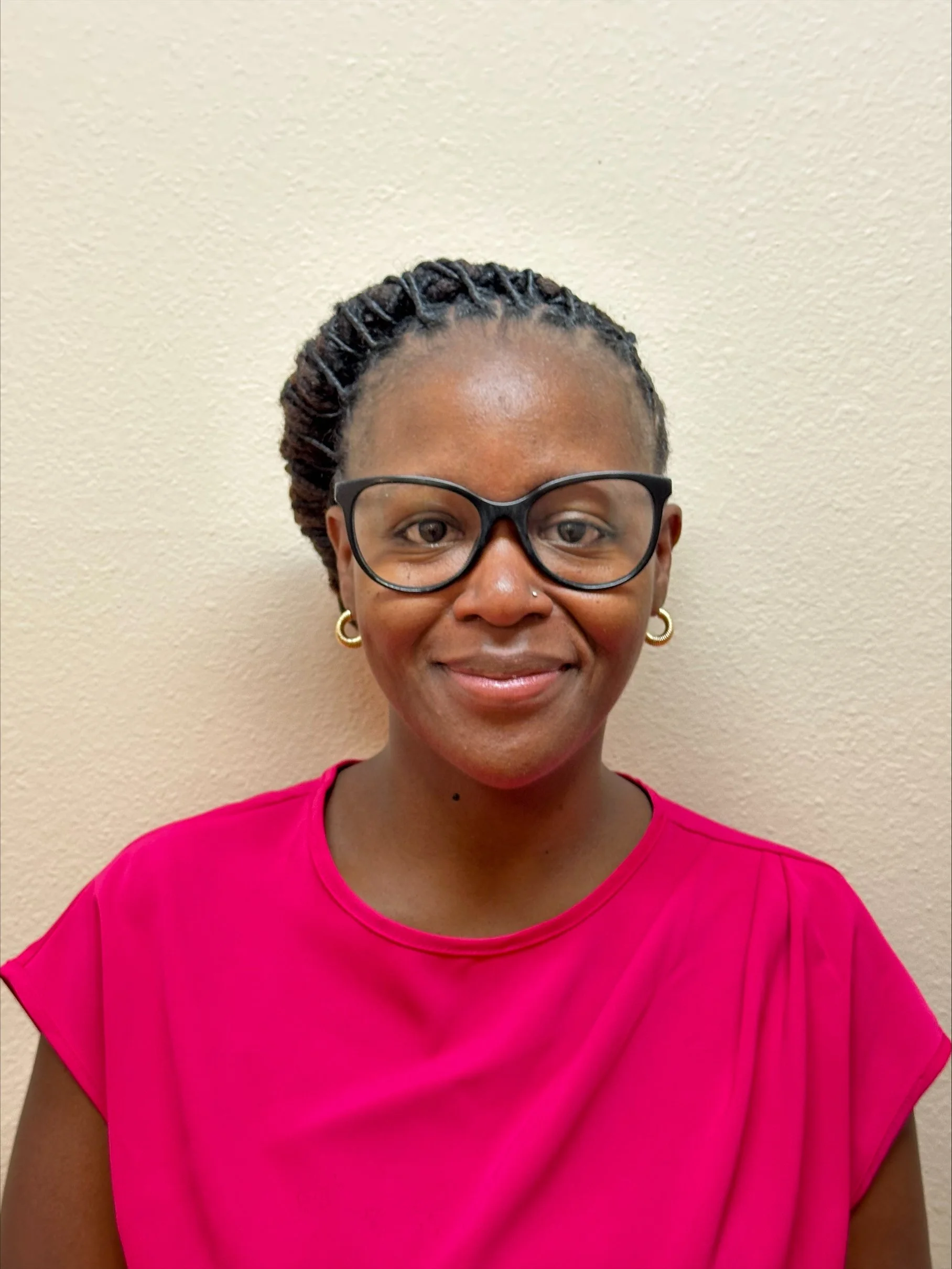
Dazz Grady Johnson
Restorative Justice Practitioner & Clinical Social Worker
Connection First
Ms. Dazz Grady Johnson is a dedicated restorative justice practitioner and clinical social worker committed to fostering healing, accountability, and meaningful connection within the community. For the past three years, Dazz has worked with Connection First, where she works directly with individuals in the community to facilitate restorative practices, create space for healing, support and advance the reach of restorative justice. Dazz is trained in Nonviolent Communication and brings a social work perspective to her restorative justice practice, emphasizing empathy, connection and the belief that meaningful healing can occur through human connection and dialogue.
She earned her Master's degree in Clinical Social Work from Florida State University in 2018. Outside of her professional work, Dazz enjoys spending time with family, reading, and traveling. -
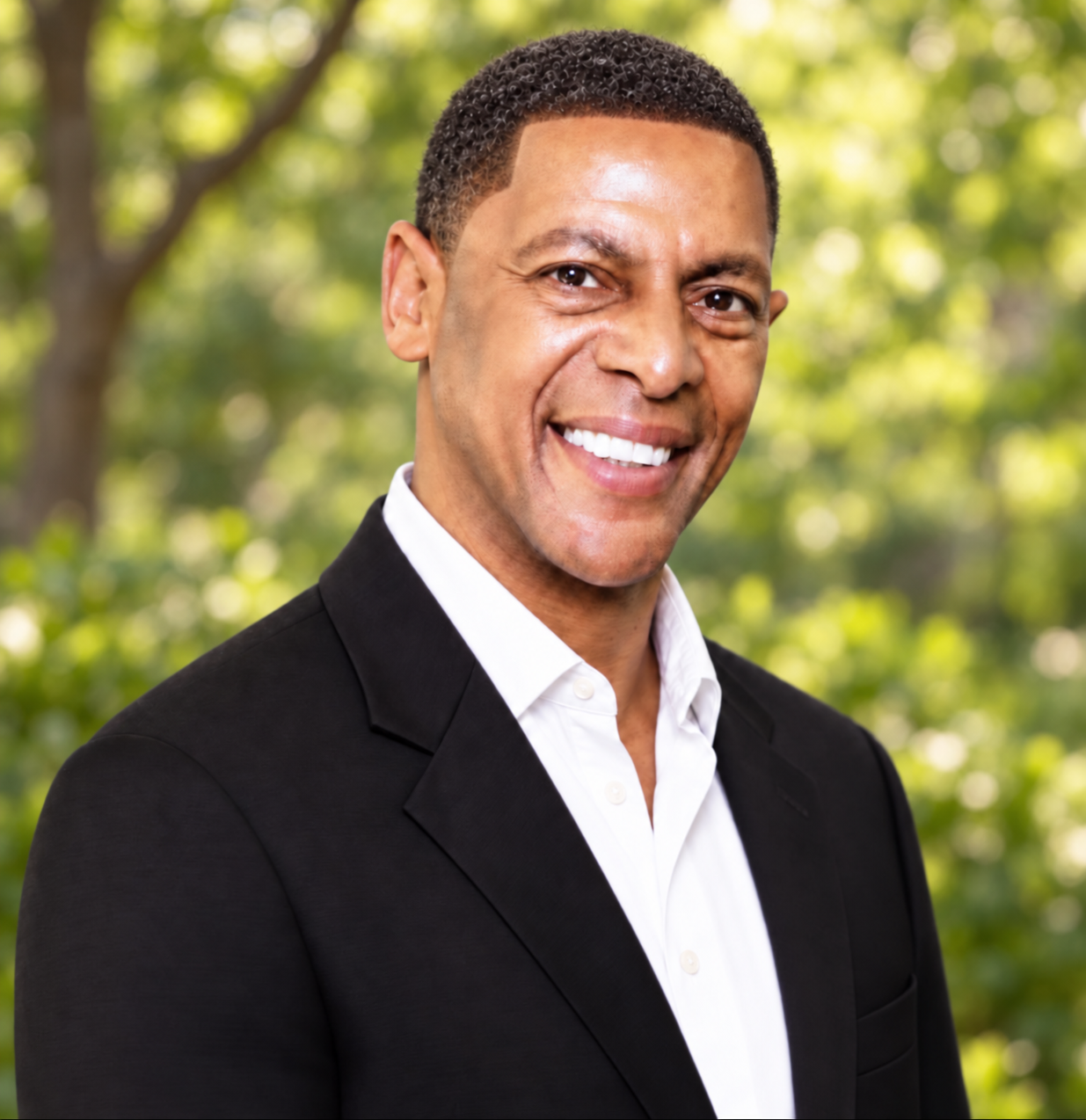
Rodney Rankins, Th.M.
Reentry Specialist & Restorative Justice Circle Keeper
Redemption 100 · HEstoration
Mr. Rodney Rankins is a credible messenger, justice-impacted reentry specialist, Restorative Justice Circle Keeper, published author, commercial voice-over artist, founder of Redemption 100, and founder of HEstoration, a men's empowerment initiative focused on mental health and restoration. Considered one of the founding fathers of reentry work in the Florida Panhandle, Mr. Rankins has spent years working directly with incarcerated and formerly incarcerated men, reentry professionals, and organizations committed to successful reentry. He was also instrumental in introducing restorative justice circles into reentry dorms, bringing accountability, conversation, and repair into spaces preparing men to return home.
Mr. Rankins is the author of 28 Pitfalls Of A Man: Confronting Traps Every Man Will Face, a book rooted in lived experience and now used as a practical tool for conversations about character, choices, consequences, and accountability. Through Edovo, 28 Pitfalls Of A Man is available on tablets in more than 900 correctional institutions across America, with the potential to reach more than one million incarcerated individuals. As a commercial voice-over artist, Mr. Rankins is also the voice of Sunbiz's Behind the Walls eBook, heard in correctional institutions across the country.
With a Bachelor of Theology and Master of Arts in Theology, Mr. Rankins brings education to the work, but much of his credibility comes from having lived what he now speaks about. He knows reentry from both sides of the gate. Mr. Rankins lives transparently, allowing the lessons of his past to inform the man he is today and the work he does with other men. For him, accountability isn't about staying stuck in what was. It's about what you do with your life going forward. That commitment to restoring men, strengthening families & transforming communities has become his life's work. -
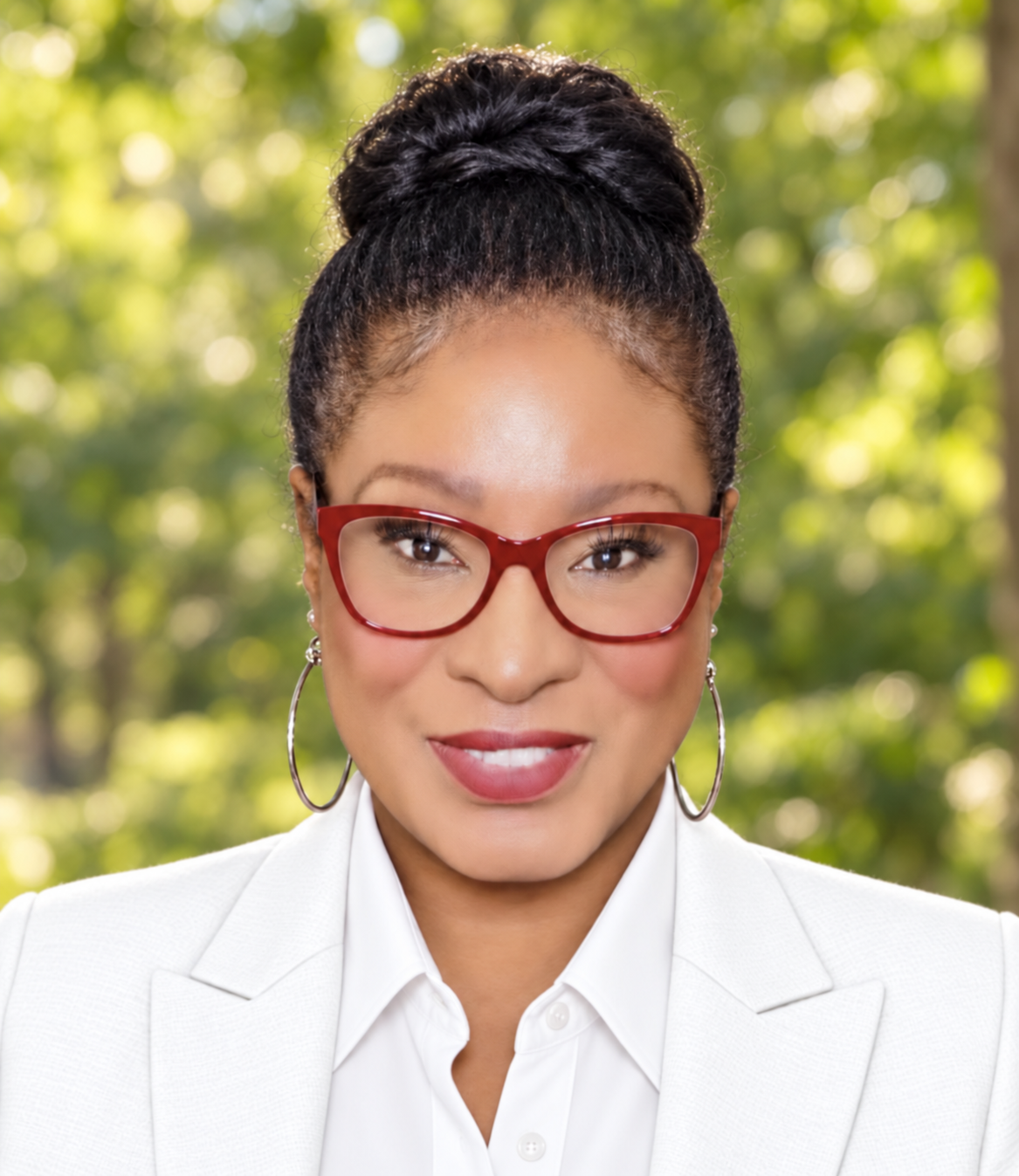
Tolliny Rankins, Th.D.
Reentry Specialist & Restorative Justice Practitioner
SHEstoration · Redemption 100
Dr. Tolliny Rankins is a justice-impacted Reentry Specialist, published author, Restorative Justice practitioner, founder of SHEstoration, and co-founder of Redemption 100. Her purpose goes beyond talking about second chances. It's doing the work that gives people a real chance to use one. Her work has taken her into prisons, reentry spaces, classrooms, conferences, and communities, working directly with justice-impacted individuals, families, and those navigating life after incarceration.
As the author of One Circle At A Time: A Restorative Justice Companion Guide, 28 Ways To A Better You: Exploring the Benefits of Self-Care, I'm Amazing, I'm Me & co-author of 28 Pitfalls Of A Man: Confronting Traps Every Man Will Face, Dr. Rankins has also served with statewide & national organizations focused on reentry, restorative justice & prison reform.
At the center of her work are people. The people coming home, the families doing time with them, the women who spend so much time pouring into everyone else, and the teaching communities figuring out what restoration actually looks like. Dr. Rankins brings lived experience, education, and compassion, with a commitment to keeping the work practical, useful, and human—never losing sight of her why. -
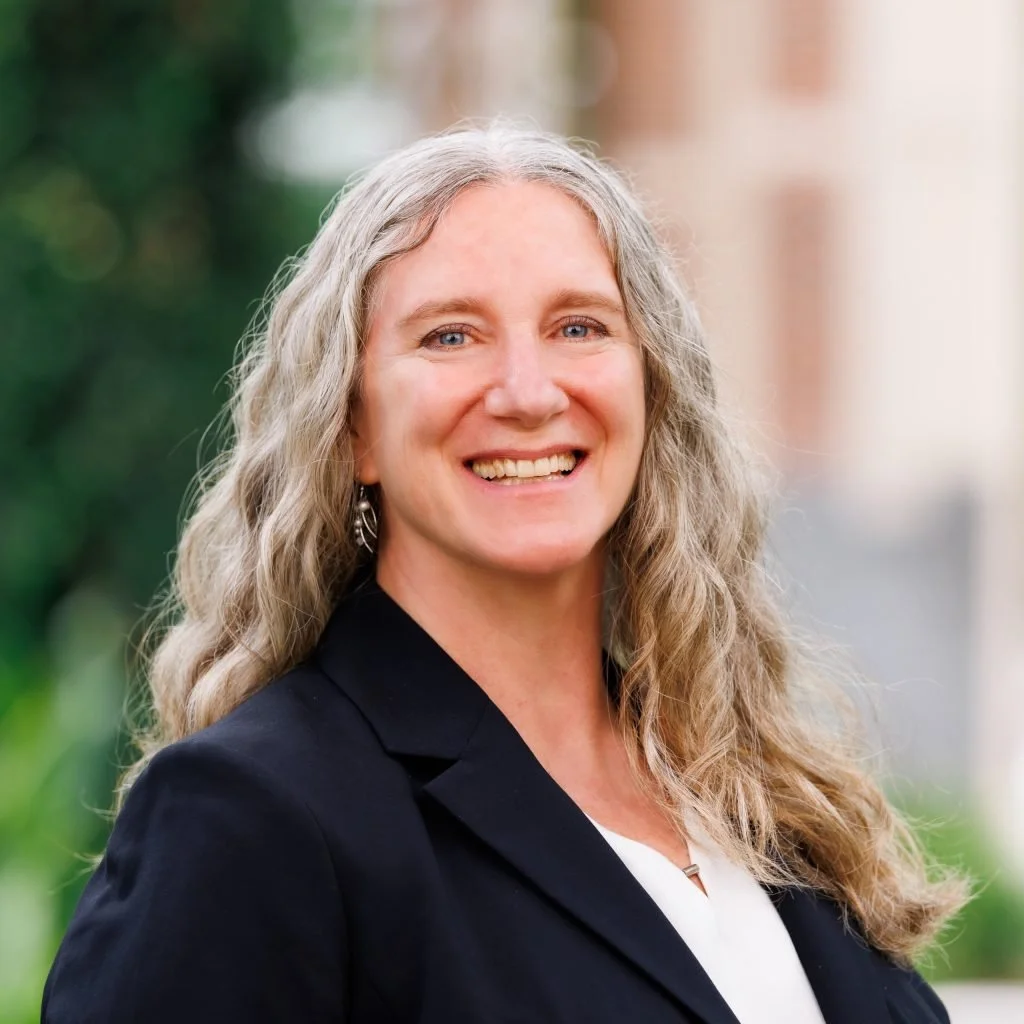
Sarah H. Wolking
Senior Lecturer and Senior Legal Skills Professor; Director of Clinical and Experiential Education; Director, Prosecution & Wrongful Convictions Field Clinics; Director, Externship Supervision
University of Florida Levin College of Law
Professor Sarah H. Wolking is a Senior Legal Skills Professor and Director of Clinical and Experiential Education at UF Law, where she directs the Prosecution and Wrongful Convictions Field Clinics and the Externship Program. Professor Wolking co-chairs the Gerald T. Bennett Prosecutor/Public Defender Trial Training Program, serves on the Executive Council of The Florida Bar’s Criminal Law Section, and is co-president of the Clinical Legal Education Association.
Before entering academia, Professor Wolking spent nearly 15 years as a state and federal prosecutor. As a Deputy District Attorney in Alameda County, California, she prosecuted serious felony cases, including murder, sexual assault, child molestation, and conspiracy, and served in the juvenile and felony law and motion divisions. She later became an Assistant U.S. Attorney, where she helped launch Project Exile, a federal initiative targeting firearm and drug trafficking. Over the course of her prosecutorial career, she tried more than 100 jury trials.
Professor Wolking has extensive experience teaching Evidence, trial advocacy, and experiential courses. She taught Evidence at the University of San Francisco School of Law from 2000 to 2014, developed courses in Evidence Advocacy and Education Law, and received numerous teaching excellence awards. She also taught in Stanford Law School’s Intensive Advocacy Skills Workshop from 1996 to 2014 and again in 2020, and has taught in advocacy programs for the National Institute for Trial Advocacy since 1998. At UF Law, she launched an Inside–Out Prison Exchange Program course, bringing law students and incarcerated students together to learn alongside one another in a correctional institution.
She earned her A.B. with high honors from Princeton University and her J.D. from Boston University School of Law. She is admitted to practice in California and Florida. -
Raqiya Whitley
Psychology Student & Peer Mentor
Florida A&M University · Community Connections Program
Raqiya Whitley is a psychology student at Florida A&M University with a passion for helping young people recognize their potential while creating positive change in their lives. She is passionate about understanding others, advocating for her community, and making a meaningful impact on youth who have faced the system.
She participated in a Restorative Justice Conference as the impacted party. This RJ Conference was facilitated by Connection First, a nonprofit based in Tallahassee. She also serves as a Peer Mentor with the Community Connections Program, a restorative program for teens. There, she has had the opportunity to support young people as they navigate challenges and learn a new way of showing up for themselves and others. This experience has strengthened her desire to continue working with youth and pursue a career focused on psychology, advocacy, and restorative justice. -
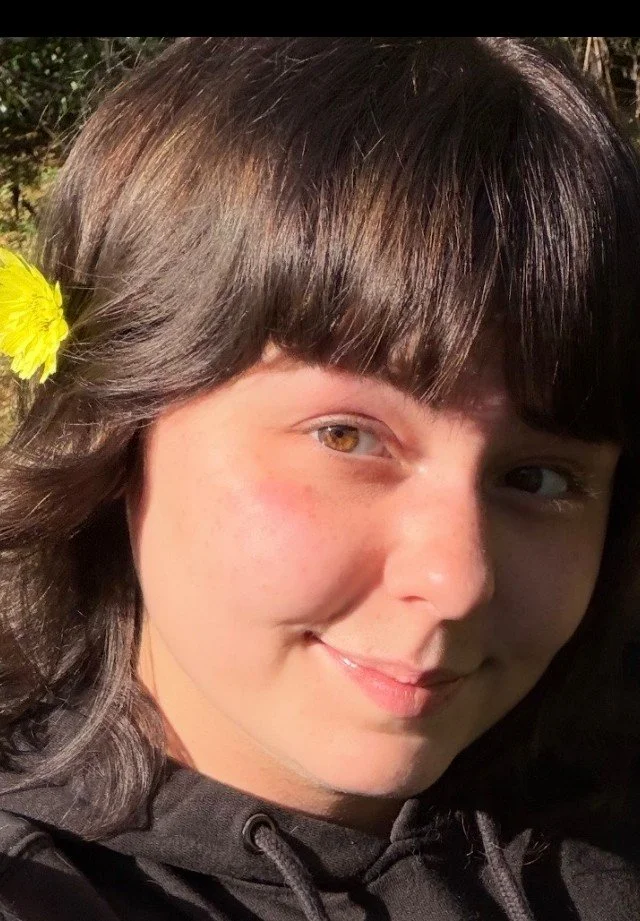
Arielle McNair
Mother, Student & Line Cook
Arielle McNair was born in Tallahassee, Florida. She is a 28-year-old mother and student, and works as a line cook.
-
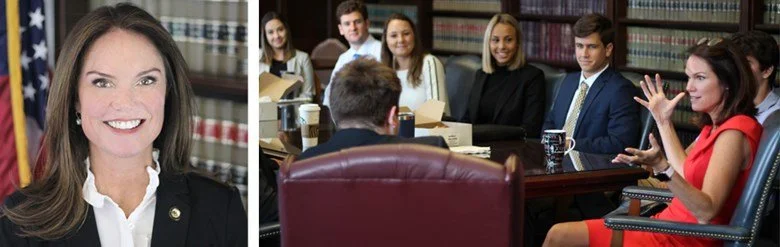
Melissa Nelson
State Attorney
Florida’s Fourth Judicial Circuit
Melissa Nelson is the elected State Attorney for Florida’s Fourth Judicial Circuit, serving Duval, Clay, and Nassau counties. She leads a team of more than 300 attorneys, investigators, and staff in the office where she began her legal career in 1997. After 12 years as an Assistant State Attorney and a period in private practice, she returned to lead the office.
Her initiatives include Northeast Florida’s first Crime Gun Intelligence Center, a Targeted Prosecution division, and juvenile civil citations that support accountability while diverting young people from the criminal justice system. A double graduate of the University of Florida, she earned her B.A. with Honors in 1994 and J.D. with Honors from the Levin College of Law in 1997. -
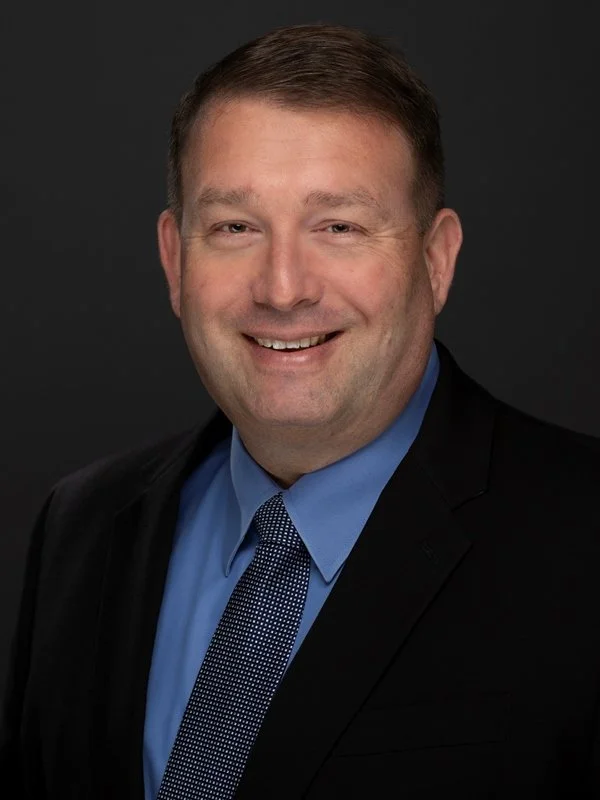
Brian Kramer
State Attorney
Florida’s Eighth Judicial Circuit
Brian Kramer is the elected State Attorney for Florida’s Eighth Judicial Circuit, serving Alachua, Baker, Bradford, Gilchrist, Levy, and Union counties. He took office in January 2021 after serving as the office’s Executive Director. His legal career spans more than three decades as a prosecutor, assistant public defender, and private attorney.
Kramer also teaches Trial Practice as an adjunct professor at the University of Florida Levin College of Law. He earned his B.A. in Political Science from the University of Florida and his J.D. from Stetson University College of Law. -
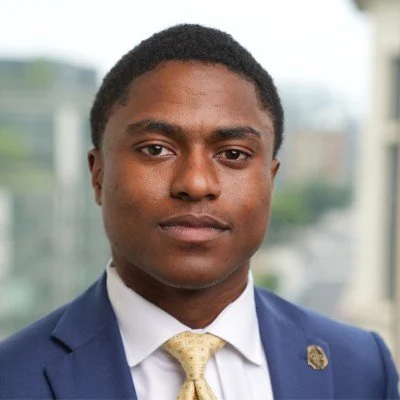
Joshua “Josh” Wilkinson
Law Student & Poet
University of Florida Levin College of Law
Joshua “Josh” Wilkinson is a third-year UF Law student and recipient of the CALI Excellence for the Future Award in Restorative Justice. A former seventh-grade English teacher, his legal interests focus on education law and advocacy for students with disabilities in underserved communities.
Josh wrote Poem of Forgiveness after participating in a restorative justice circle at Lancaster Correctional Institution in spring 2026. The poem explores shared humanity and the transformative possibilities of compassion, connection, and self-forgiveness.
Participation, titles, and session assignments remain subject to final confirmation.
Registration is free.
Reserve a seat and we will email program updates as details are confirmed.